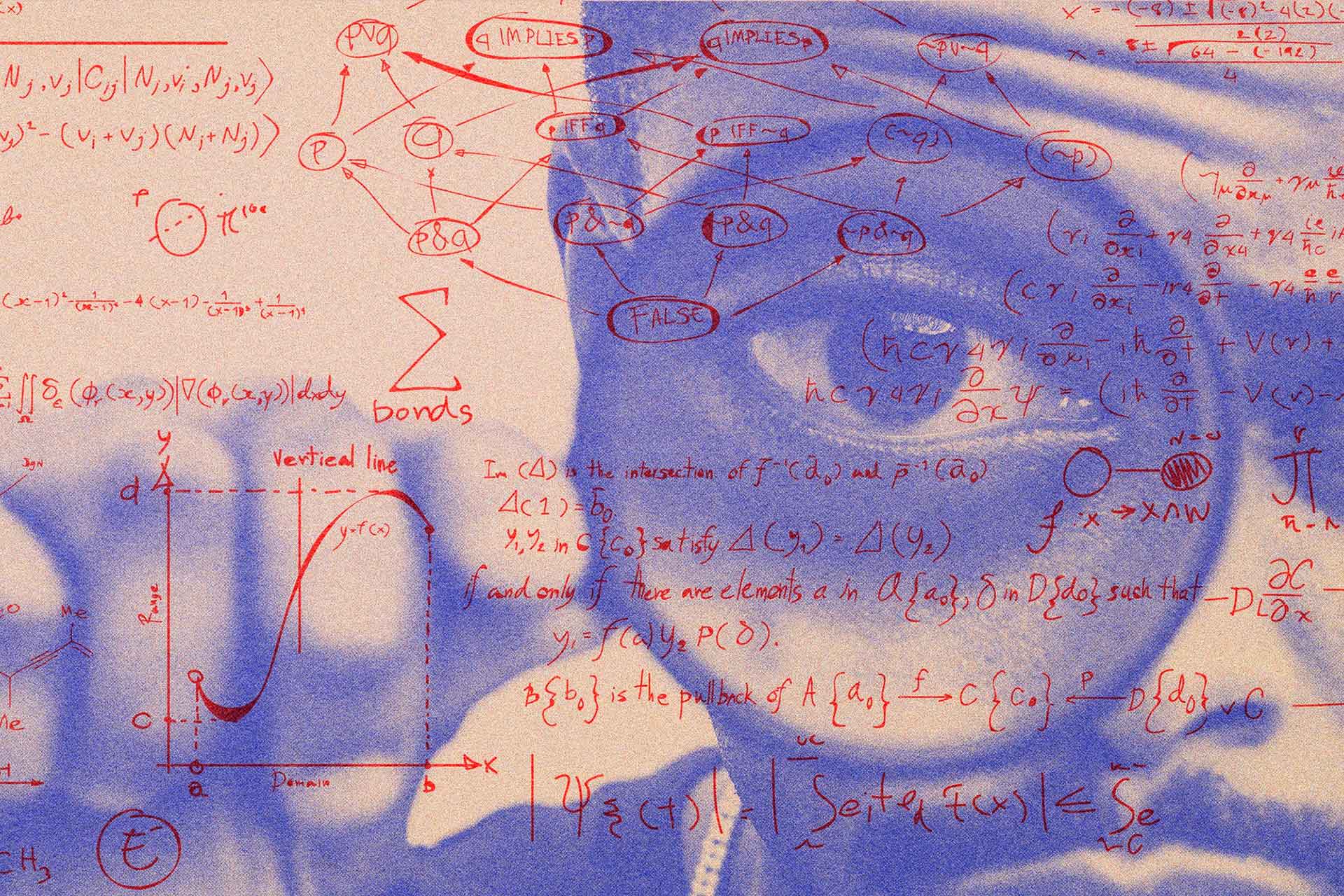
An immediate inference in which the proposition’s quality is changed and the predicate is replaced with its complement. (See also Categorical proposition, Complement, and Quality.) Obversion is valid for all four claim types (A-, E-, I-, and O-propositions), because the obverted claim is equivalent to the original.


-
 Discipline Is Destiny: The Power of Self-Control (The Stoic Virtues Series)
$15.99
Discipline Is Destiny: The Power of Self-Control (The Stoic Virtues Series)
$15.99
-
 Stillness Is the Key
$7.99
Stillness Is the Key
$7.99
-
 Right Thing, Right Now: Justice in an Unjust World (The Stoic Virtues Series)
$28.00
Right Thing, Right Now: Justice in an Unjust World (The Stoic Virtues Series)
$28.00
-
 How to Think Like a Roman Emperor: The Stoic Philosophy of Marcus Aurelius
$13.12
How to Think Like a Roman Emperor: The Stoic Philosophy of Marcus Aurelius
$13.12
-
 Letters from a Stoic: Penguin Classics
$14.52
Letters from a Stoic: Penguin Classics
$14.52